MeerKAT's Breakthrough Detection of the 21cm Hydrogen Signal
MeerKAT has achieved a significant milestone by directly detecting the 21cm hydrogen signal on Mpc scales, providing insights into the unive...
The blog
Deep dives on space telescopes - JWST, Hubble, Chandra, and what comes next.
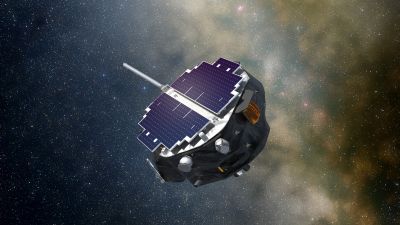
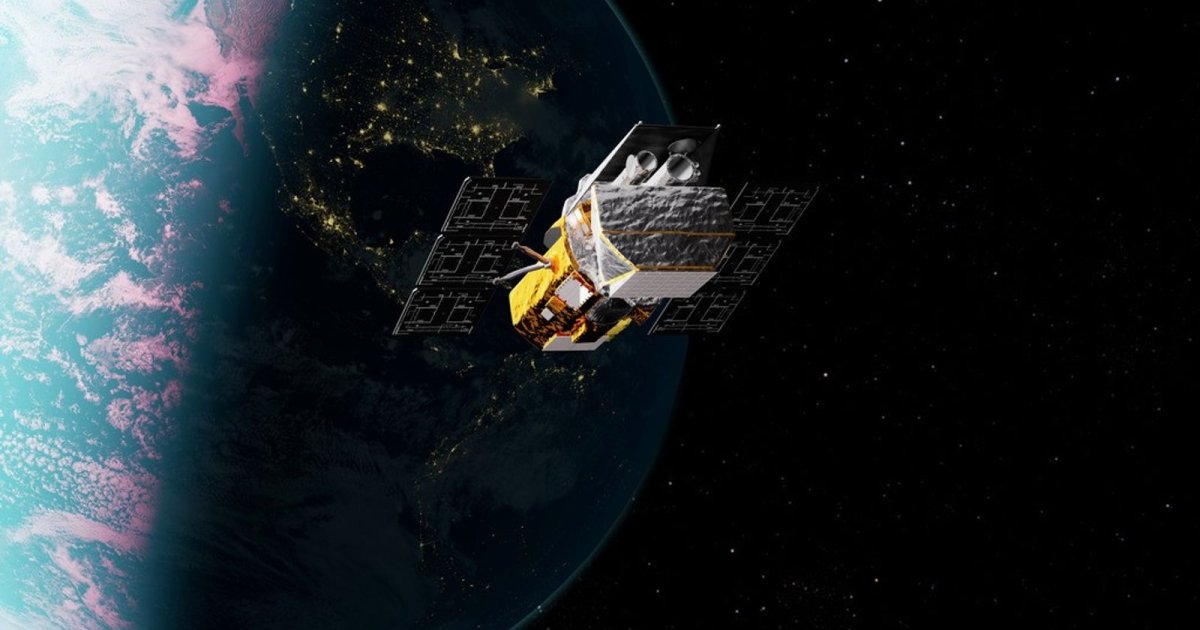
NASA's Swift Observatory has resumed science operations after modifications to the Katalyst Space LINK mission, which was initially set to boost the satellite's orbit.
MeerKAT has achieved a significant milestone by directly detecting the 21cm hydrogen signal on Mpc scales, providing insights into the unive...
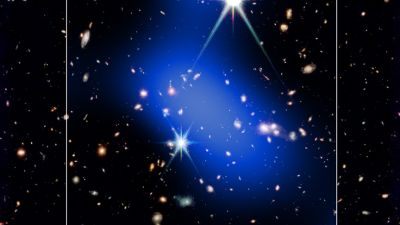
Chandra's deep observation reveals thermal X-ray emissions from a proto-intracluster medium around quasar ID1, offering insights into the ea...
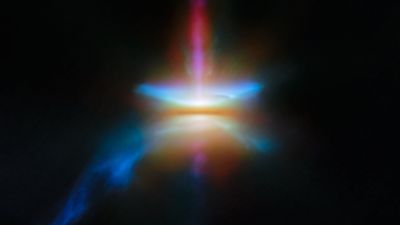
A JWST/MIRI survey of 72 young Sun-like stars traces how protoplanetary disks shed their gas - from magnetically driven molecular winds and...
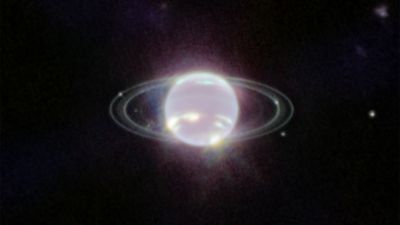
The James Webb Space Telescope reveals Neptune's inner moons and rings contain clay-like minerals, suggesting they are remnants of ancient i...
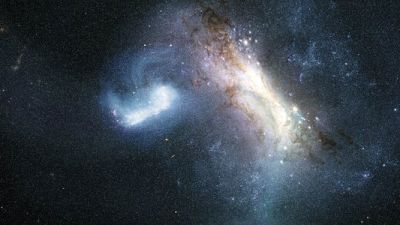
Hubble's analysis of globular clusters reveals the Milky Way's ancient merger with the dwarf galaxy LKH, pushing our understanding of galact...
NASA's IMAP mission has released its first science data, offering new insights into the heliosphere boundary and its role in shielding Earth...
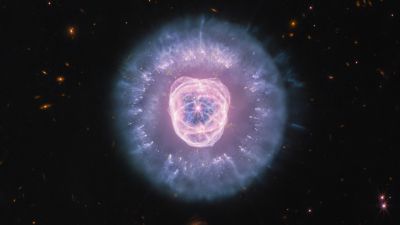
NASA's James Webb Space Telescope reveals new insights into NGC 2392, the Lion Nebula, showcasing mass loss and dispersal patterns of a dyin...
A new JWST/NIRSpec study reveals that 'leaky' galaxies, with a high escape fraction of ionizing photons, played a crucial role in the reioni...
Chandra X-ray Observatory's analysis of SN 2026gzf reveals a supernova that mimics a gamma-ray burst but lacks a relativistic jet.
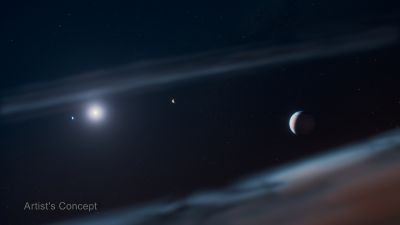
In July 2026, the James Webb Space Telescope (JWST) discovered Beta Pictoris d, a third giant planet in the Beta Pic system, using atmospher...
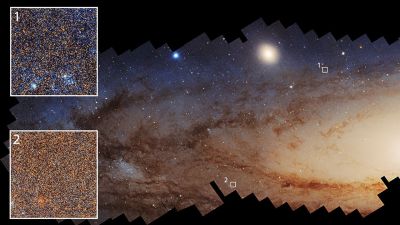
A new Hubble analysis reveals that star formation in the Andromeda galaxy has been decreasing for 500 million years, with a significant drop...
Google Preferred Sources
Choose Space Telescope as a preferred source to make our mission news, visual reporting, and independent explainers easier to find in Google Search.